Over time, moss and algae can retain moisture against your tiles and lead to accelerated wear, blocked gutters and compromised flashing; you may notice slipped or lifted slates and increased risk of leaks if growth is extensive. You should inspect and maintain your roof regularly, removing growth safely or engaging a professional to protect your roof’s lifespan and your home’s integrity.
Key Takeaways:
- Moss and algae can retain moisture, lift or crack tiles and lead to rot and leaks if left unchecked.
- They thrive in the UK’s damp, shaded conditions and accelerate roof material deterioration and gutter blockages.
- Regular inspection, gentle removal, gutter clearing and professional cleaning or corrective repairs help prevent long‑term damage.
Understanding Moss and Algae
In the UK climate you’ll see moss and algae behaving very differently: moss forms fuzzy, cushioned mats that trap moisture and can physically lift or wedge tiles, while algae appear as flat, dark streaks that discolour surfaces and retain slimy films. Both favour shaded, north‑facing roofs and can establish within 1-3 years where tree cover and damp microclimates exist; their presence alters moisture regimes, accelerates wear from freeze-thaw cycles and makes routine inspections and maintenance more demanding.
Characteristics of Moss
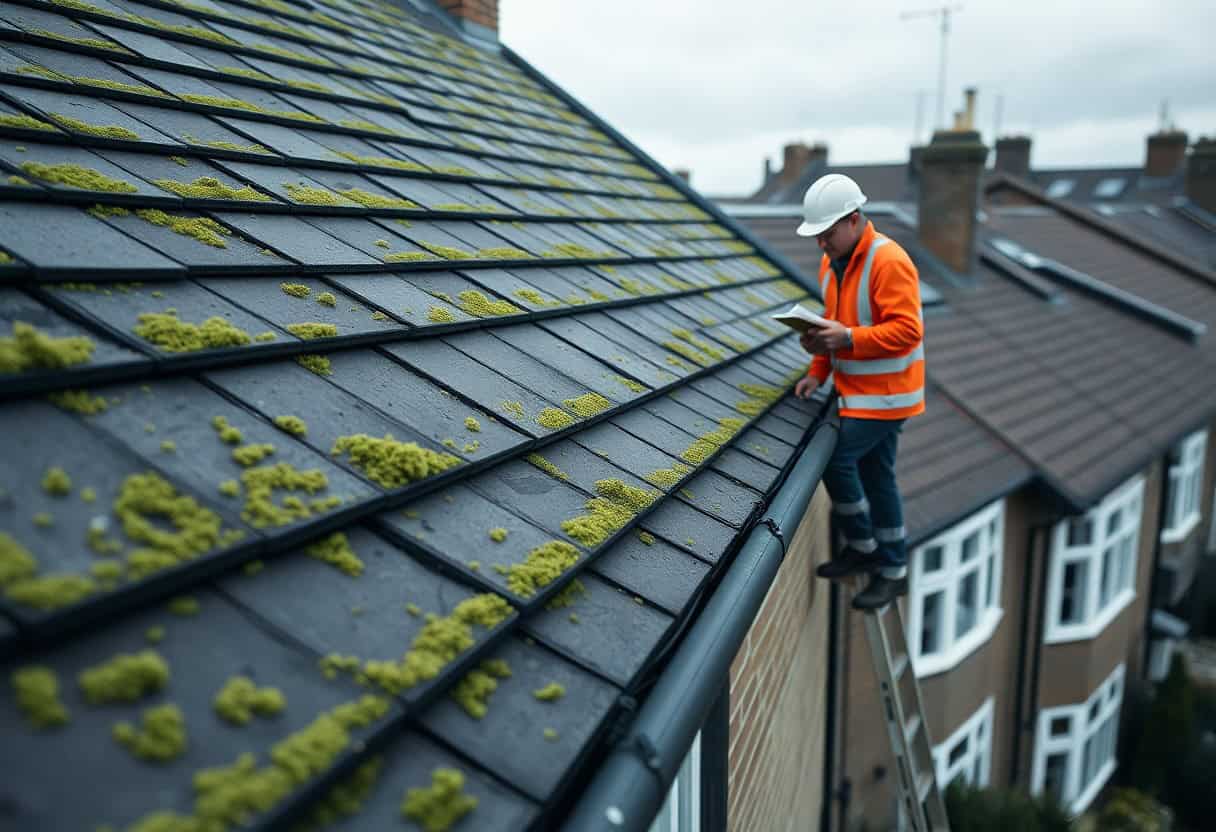
You’ll notice moss as soft, green cushions 5-50mm thick composed of tiny shoots and rhizoids (not true roots) that cling to mortar and tile surfaces. It holds water for days to weeks after rain, increasing load and freeze-thaw stress; where it grows between and under tiles it can lift slates by several millimetres, crack bedding mortar and create micro‑channels that channel water under coverings, particularly problematic on older clay and concrete roofs.
Characteristics of Algae
You’ll typically identify algae by flat green, grey or black staining rather than bulk; Gloeocapsa magma (a cyanobacterium commonly called roof algae) produces the familiar dark streaks. They spread by airborne spores, colonise porous materials like concrete tiles and lead to cosmetic staining, reduced surface reflectivity and localised moisture retention, but unlike moss they don’t form thick, lifting mats.
More detail: you’ll often find algae concentrating near eaves and where rainwater run‑off channels, because spores collect and nutrients wash down the slope; in coastal or humid regions colonisation can occur within months and streaks can extend for metres across a roof. Chemical cleaning (bleach solutions or specialist algicides) and preventative measures such as zinc/copper strips are commonly used to control regrowth after removal.
How Moss and Algae Grow on Roofs
Moss starts from airborne spores or bird droppings that lodge in debris and damp crevices, while algae such as Gloeocapsa magma travel in splashed water and settle along runoff lines, creating dark streaks within 1-3 years on untreated roofs; you will notice faster colonisation where tiles are porous, valleys collect leaves or mortar is cracked, and older roofs-typically over 20 years-provide more niches for both organisms to establish.
Conditions Favouring Growth
If your roof is shaded by trees or faces north, moisture lingers and spores germinate more easily; shallow pitches under about 30° slow runoff, and in UK areas receiving over 1,000 mm of rain annually you’ll see growth accelerate. Blocked gutters, overhanging branches dropping leaves and nearby mossy surfaces all supply nutrients and damp-concrete and clay tiles retain moisture longer than smooth slate, increasing the risk.
Signs of Infestation
Check for green, spongy mats and black algal streaks often 1-5 cm wide along ridges and eaves; a moss layer thicker than about 5 mm shows an established colony. You may also observe lifted or slipped tiles, granular loss on concrete tiles, damp patches in the loft after rain, and gutters repeatedly clogged with dark, fibrous debris.
When you inspect more closely, use binoculars from the ground and then access the loft to spot wet insulation or staining; valleys and lower roof runs that hold water will show the worst damage, causing freeze-thaw cracking in winter and tile displacement in storms. For example, north-facing terraces often develop visible moss within 2-4 years, whereas well-exposed south-facing roofs can take 6-10 years under the same conditions.

Impact on Roof Material
If you let moss and algae establish, they trap moisture against the substrate and can retain up to 20 times their dry weight in water, increasing freeze-thaw stress and encouraging timber decay beneath eaves. You’ll notice accelerated wear where growth concentrates – blocked gutters, raised flashings and lifted tiles increase leak risk. Practical examples from UK repairs show that untreated biological growth often converts a minor repair into a full re-cover within a decade in damp, shaded exposures.
Asphalt Shingles
On asphalt shingles you’ll typically see dark streaking from Gloeocapsa magma and granular loss where algae feed on the shingle binder and limestone filler; this exposes the felt to UV degradation and shortens the roof’s useful life. You can expect algae to reappear within 2-5 years after superficial cleaning unless you treat the source, and lifted moss patches will commonly cause wind uplift and local water ingress if not removed carefully.
Tile and Slate Roofs
With tile and slate roofs you’ll find moss anchoring in mortar beds and underlaps, where it wedges tiles apart and holds moisture against the fabric; porous clay tiles can spall while natural slate may delaminate in persistent wet pockets. You should be alert in upland or coastal areas of the UK where high rainfall and shade make growth more aggressive, often exposing pointing failures and slipped tiles.
If you have a tile or slate roof you must avoid brute-force cleaning: pressure washing can shatter brittle slates and erode clay glazes. You’ll get better results by lifting and brushing out growth, applying a tested biocide, and fitting narrow copper or zinc strips at the ridge to reduce recolonisation. In practice, roofs affected by long-term growth often need re-pointing or re-bedding of ridges after around 20-30 years, and saturated moss can add several kilograms per square metre, increasing load and the chance of slippage.

Health Risks Associated with Moss and Algae
Moss and algae trap moisture against your roof and encourage mould growth into loft spaces; studies link damp and mould exposure to a 30-50% increased risk of respiratory symptoms, so you may see more coughing, wheeze or asthma exacerbations if spores reach living areas. Persistent wetness after rain keeps insulation damp for days, increasing condensation and promoting further fungal colonisation that impacts indoor air quality and heating efficiency.
Aesthetic Concerns
Streaks and green‑black patches from algae and moss will reduce your property’s kerb appeal and can make the whole roof look aged; many homeowners book professional cleaning every 2-5 years in shaded, humid locations to prevent heavy staining. Estate agents commonly flag visible growth as a sign of neglect, which can depress offers and slow saleability, so tackling appearance early preserves perceived value.
Structural Damage
Moss acts like a sponge and wedges beneath tiles, allowing water to penetrate underlay and timber; on north‑facing, shaded roofs you may notice slipped tiles within 3-5 years of heavy growth. You should address this because prolonged saturation accelerates rot and roof failure, and insurers may contest claims if damage is judged to result from poor maintenance rather than an isolated event.
Mechanically, retained moisture heightens freeze-thaw cycles in UK winters and erodes mineral surfaces on concrete or clay tiles, while rhizoids work into mortar at ridges and hips. Blocked gutters and valleys from moss cause local ponding and fascia decay; minor repairs often cost several hundred pounds, whereas underlay replacement or partial re‑roofing can run into the low thousands, so prompt cleaning and targeted repairs usually limit expense and extend your roof’s service life.

Prevention Strategies
Use a combination of design and upkeep: ensure roof pitch is above 15-20° where possible, keep gutters clear and falling leaves removed, trim overhanging branches to within 1-2 metres, and increase sunlight/airflow by clearing adjacent shading. Inspect your roof every 6-12 months and after major storms, and combine regular cleaning with targeted treatments such as zinc or copper ridge strips to limit spore establishment.
Maintenance Practices
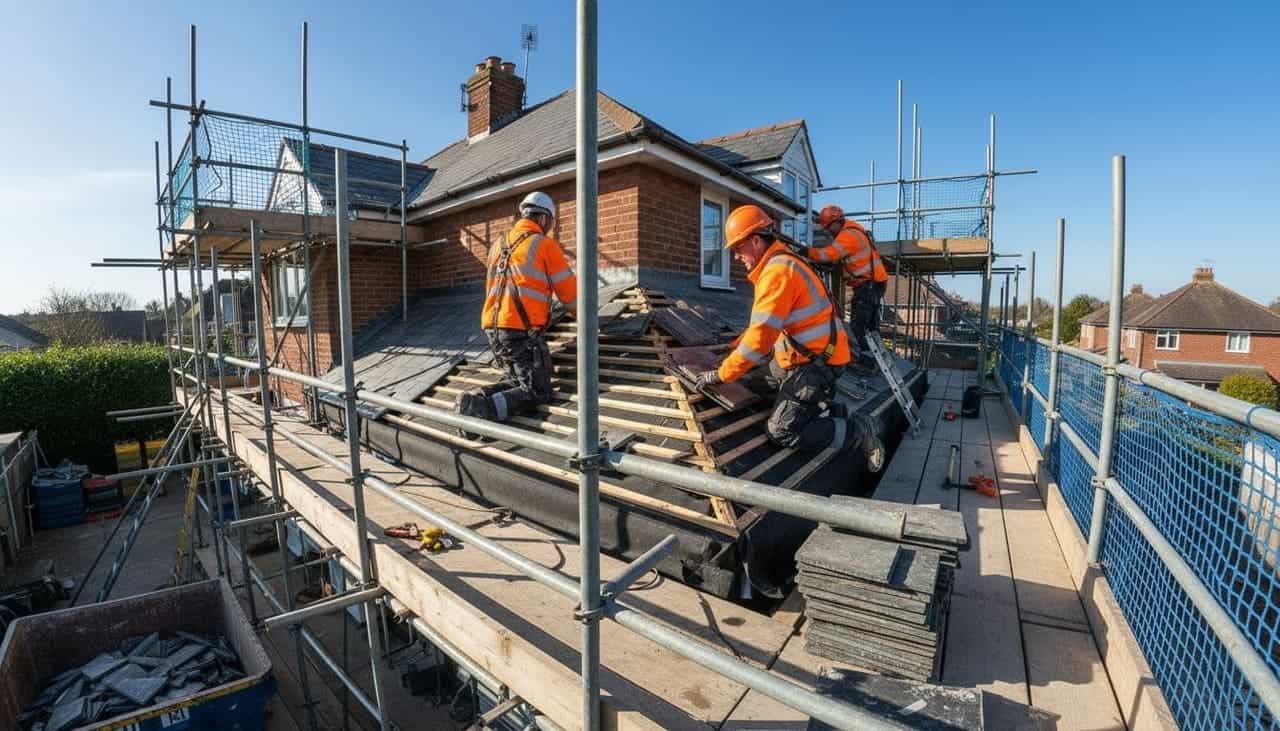
Inspect your roof twice a year and after severe weather, clear gutters and valleys at least every six months, and brush off loose moss with a soft-bristled brush or low-pressure wash. You should avoid high-pressure jets that can lift tiles; instead lift and replace any cracked or slipped tiles promptly. Contract a roofer for safe access and where scaffolding or harnesses are required to prevent damage and injury.
Protective Treatments
Consider zinc or copper ridge strips, biodegradable biocidal washes approved by the HSE, or breathable polymer coatings designed for your tile type. Zinc/copper strips are inexpensive to fit and can protect roofs for 10-20 years, while professional biocide treatments typically need reapplication every 3-5 years; expect typical domestic treatment costs in the £150-£500 range depending on roof size and complexity.
Zinc and copper work by releasing metal ions in rainwater that inhibit algal and moss spores when placed along the ridge or upwind edges; installers usually fix 30-50 cm of strip along the apex. Biocidal treatments require surface cleaning first, then application under dry conditions; always verify product approval by the HSE and manufacturer compatibility with slate, clay or concrete tiles to avoid staining or loss of breathability, and obtain a written guarantee for any professional work.
Removal Techniques
DIY Methods
You can tackle light moss yourself using a long‑handled soft brush, biocide spray and ladder stabiliser; work from the eaves upwards to avoid lifting tiles. Apply a proprietary moss remover (follow the label), leave 48-72 hours for die‑off, then brush off and rinse with a low‑pressure hose or soft‑wash at c.100-200 psi if using a washer. Wear non‑slip footwear, use a roof harness and never stand on wet tiles; annual treatment helps prevent regrowth.
Professional Services
If you prefer professionals, certified roof cleaners typically combine soft‑wash biocide, low‑pressure rinsing and replacement of failing battens; you can expect quotes from £200-£600 for a standard semi‑detached roof in the UK. Ask for public liability insurance, method statements and examples of previous work. Firms often offer a 3-5 year anti‑moss guarantee and will inspect flashings and gutters as part of the service, reducing the chance you’ll need expensive tile replacement later.
Expect professionals to use a two‑stage approach: apply a biodegradable, phosphate‑free biocide (often sodium percarbonate or potassium salts), wait 48-72 hours, then remove residues with soft washing or steam cleaning. They will restore slipped tiles, reseal leadwork and treat gutters, documenting work with before/after photos. Typical maintenance plans run every 3-5 years; over a decade proper professional care can delay full re‑tiling by 5-10 years, saving you thousands compared with premature replacement.
To wrap up
So you should treat moss and algae in the UK as more than cosmetic: they retain moisture, lift and degrade tiles or slates, block gutters and shorten your roof’s lifespan, so regular inspection and gentle professional removal, appropriate biocidal treatment and prompt repair will protect your investment and prevent costly water ingress.
FAQ
Q: Do moss and algae actually damage roofs, or are they just cosmetic?
A: Both can be harmful, though the mechanisms differ. Moss holds moisture against tiles and slates, which encourages freeze-thaw damage, lifts and displaces individual tiles and can lead to underlay and timber decay where damp persists. Algae, particularly dark streak-forming species such as Gloeocapsa magma, tend to be more cosmetic on some materials but can accelerate granular loss on asphalt shingles and darken roof surfaces, increasing thermal stress. Both can block gutters and downpipes, causing ponding and additional loading. Severity depends on roof material, pitch, ventilation and how long the growth has been present.
Q: How can I tell whether the growth on my roof needs professional attention?
A: Signs that professional help is advisable include thick, mat-like moss coverage; visibly lifted, slipped or broken tiles; persistent damp patches or mould in the loft; staining or streaking that worsens despite minor cleaning; sagging gutters or eaves; and any evidence of water ingress or rot. If your roof is steep, fragile (e.g. older slate), has complex flashings, or the property has a sensitive warranty or listed status, contact a qualified roofer or a specialist contractor for assessment rather than attempting DIY removal.
Q: What are safe, effective prevention and removal methods for UK roofs?
A: Prevention: keep gutters and valleys clear, trim overhanging branches to increase sunlight and airflow, ensure adequate loft ventilation and insulation to reduce condensation, and consider installing zinc or copper strips at the ridge which slowly release ions that inhibit growth. Inspection every 1-3 years is sensible in the UK’s damp climate. Removal: avoid high-pressure washing and abrasive methods that damage tiles; gently brush off loose moss when dry or use a soft-bristle broom from a safe position. Apply a manufacturer-approved biocide/moss killer designed for roofs, following instructions and environmental guidance to prevent contaminated runoff entering drains or soil. For steep roofs, fragile materials or extensive coverage, hire a reputable roofing contractor who uses safe access equipment and disposal practices. Allow treated moss to die off before removal (often several weeks), and check whether any treatment affects tile warranties before application.